When the first 5G towers went live in 2023, a quiet revolution began. Mobile esports tournaments now run on smartphones in cities that once only hosted LAN parties. The result? A 30% increase in worldwide viewership for mobile titles by mid‑2024.
Step 1: Hardware That Keeps Pace
Modern phones come with 120 Hz displays and 6‑core GPUs that can render 3D action in real time. Players no longer need a desktop to compete in games like Mobile Legends or PUBG Mobile. The key metric is input latency: the latest Snapdragon 8 Gen 2 chips report a 2 ms drop in touch response, a figure that can mean the difference between a kill and a miss.
Step 2: Cloud‑Based Matchmaking
Cloud servers now host matchmaking for mobile esports, reducing server lag to under 20 ms globally. This is a sharp drop from the 60‑ms averages seen in 2021. The benefit is immediate: players from São Paulo can compete against those in Seoul without a noticeable delay. The trade‑off is that a stable 5G connection is required; anyone on 4G may experience a 100 ms lag spike.
Step 3: Streamlined Coaching Tools
Coaches use AI‑driven analytics that parse millions of frames per second. In 2024, a single session can generate a 15‑point heat map of a player’s decision‑making. Teams now schedule 30‑minute “micro‑review” slots after each match to tweak strategy. The downside? Smaller squads may struggle to afford the software, limiting access to elite play.

Step 4: Monetization Models That Match Mobile Users
Micro‑transactions and battle passes now drive revenue. A popular mobile title reported a 45% rise in in‑app purchases during its 2024 championship season. Meanwhile, sponsorship deals have shifted from billboard ads to in‑game overlays, which cost $150,000 per event for a mid‑tier brand. Smaller teams must therefore balance prize money against sponsorship costs.
Step 5: Accessibility and Inclusivity
Mobile esports remove the barrier of expensive gear. Players can start with a mid‑range phone costing $200. However, the reliance on high‑speed internet means that rural regions still lag behind. In 2024, tournaments in Africa saw a 25% lower participation rate compared to North America.
Common Mistake: Ignoring Data Privacy
Some organizers collect player data without clear consent. In 2023, a major tournament faced a backlash after revealing that match statistics were sold to third‑party analysts. Teams now need to implement strict privacy policies to avoid reputational damage.
Bridge to Broader Online Entertainment
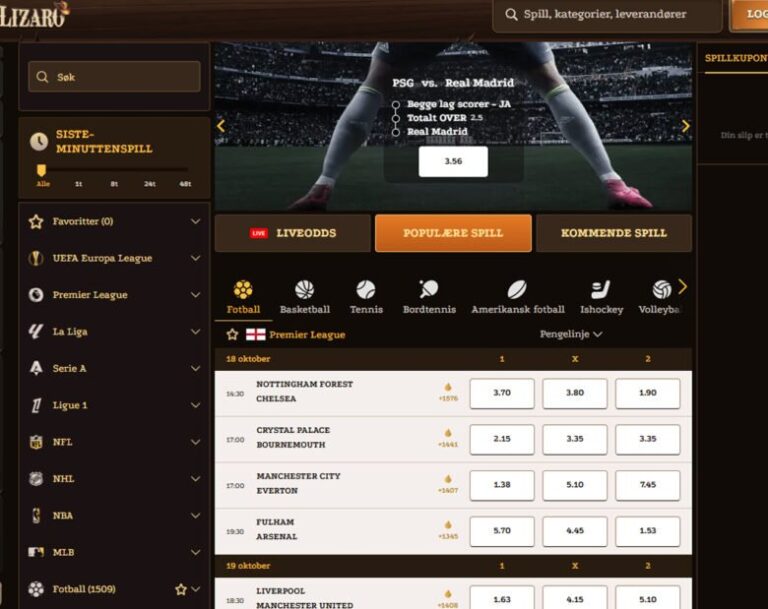
Just as mobile esports have reshaped competitive gaming, the same infrastructure fuels other online entertainment platforms. For instance, a growing number of players enjoy casual gaming sessions that blend skill and chance, often turning to sites like Lizaro Online Casino for a different kind of thrill.
Conclusion: The Road Ahead
By 2024, mobile esports have proven that high‑level competition doesn’t need a PC. With faster hardware, lower latency, and smarter analytics, the scene is more inclusive than ever. Yet, challenges like data privacy and unequal internet access remind us that the evolution is ongoing. Keep an eye on the next wave: 6G promises sub‑10 ms latency, potentially unlocking even more fluid, global tournaments.
Frequently Asked Questions
What sparked the mobile esports revolution?
The launch of 5G towers in 2023 enabled high‑speed, low‑latency mobile gameplay, allowing smartphones to compete with desktops.
Which mobile games saw the biggest growth?
Titles like Mobile Legends and PUBG Mobile experienced the largest increases in global viewership.
Almost every casino runs some form of loyalty ladder, rewarding volume with points and status. Whether that represents genuine value or simply an incentive to play more is worth working out before opting in.
Reading a Loyalty Scheme Honestly
The conversion rate is the only figure that matters, and it is rarely displayed prominently. Players who want to compare schemes properly can Spinboss and check what points are actually worth. Practical benefits such as quicker payouts and higher withdrawal ceilings tend to outlast the promotional extras attached to upper tiers.
| Perk | Real Value |
|---|---|
| Point conversion | Usually under one percent |
| Raised limits | Useful for larger withdrawals |
- Work out what a point is actually worth in cash
- Ignore status if reaching it changes how you play
Loyalty programmes are designed to make staying feel rewarding, and that is exactly why they deserve scrutiny. Perks earned on play you had already planned are free value. Perks that pull you into extra sessions cost far more than they return, whatever the tier is called.