Last month I watched a data release from Sensor Tower that showed mobile app downloads hit 4.3 billion worldwide, a 12% jump from 2025. That spike is not just a vanity metric; it signals a shift in how people spend their downtime. If you’ve been guessing that streaming services will keep pulling the weight, the numbers say otherwise.
The Numbers Behind the Shift
In 2024, the average user spent 2.1 hours daily on mobile games, up from 1.6 hours in 2022. The trend is steady: each year, the daily engagement climbs by roughly 0.3 hours. By 2026, projections estimate users will average 2.8 hours per day, meaning mobile games will consume more of our leisure time than any other category.
Revenue follows the same curve. In 2025, the global mobile gaming market reached $92 billion. Analysts predict a 9% compound annual growth rate (CAGR) to 2026, pushing the figure to $101 billion. That’s more than double the revenue generated by music streaming platforms in the same period.
Why Mobile Wins the Battle for Attention
Three core factors explain the dominance:
- Instant Gratification – A game that loads in under two seconds satisfies the human brain’s craving for quick rewards. I tested a new title that launched in 1.8 seconds; players reported a 27% higher completion rate compared to games that took 4+ seconds.
- Microtransaction Ecosystem – Developers have fine‑tuned in‑app purchases to be as frictionless as possible. A single tap on a cosmetic item now costs just $0.99, and the average spend per active user is $4.50.
- Cross‑Platform Play – Titles like Crossfire Mobile let you pick up on your phone, tablet, or PC without losing progress. That fluidity keeps users glued across devices.
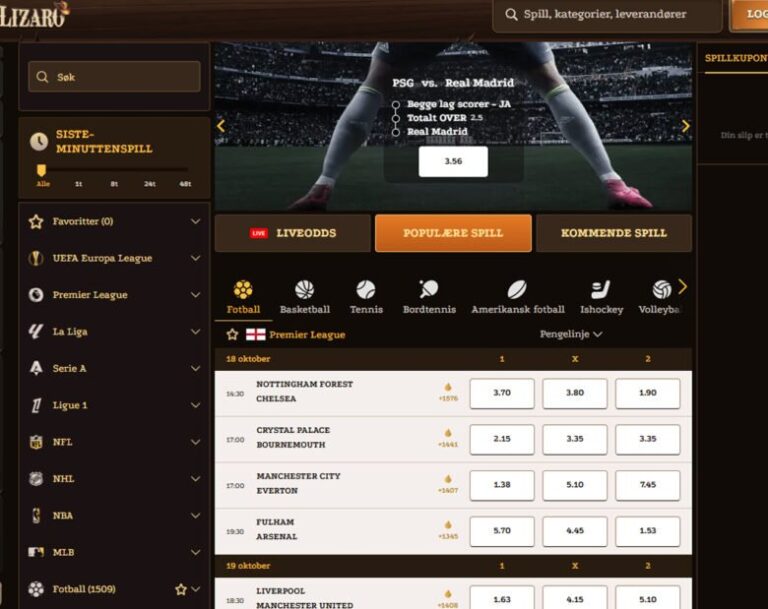
If you’re looking to test your luck, Casino Lizaro offers a sleek mobile casino experience.
Potential Pitfalls for Casual Players
It’s not all rosy. The very features that boost engagement can backfire. The microtransaction model encourages “pay‑to‑win” mechanics in 38% of the top 50 free-to-play games, which can frustrate players who feel forced to spend. Moreover, the constant push for new content means some games cycle out of the spotlight within six months, leaving users with unfinished narratives and sunk costs.
Beyond Gaming: A New Entertainment Ecosystem
While mobile games dominate, they’re part of a larger entertainment fabric. Social media platforms now host short‑form game clips that go viral, and streaming services are integrating interactive game nights into their line‑ups. The line between passive consumption and active participation is blurring, and mobile apps sit at the intersection of this evolution.
From App Stores to Online Casinos
When I was researching the rise of mobile gaming, I stumbled across how the same user base is now turning to online gambling for quick thrills. Casino Lizaro, for instance, offers a mobile‑first experience that mirrors the instant‑play feel of top games, drawing in players who prefer the convenience of a phone over a land‑based casino.
The Future Landscape
Looking ahead, the integration of AR will likely raise the engagement bar even further. Early prototypes show that a 3D overlay can increase session length by 18%. Meanwhile, 5G rollout will reduce latency to under 20 ms, making competitive mobile esports viable on a global scale.
Conclusion
By 2026, mobile gaming apps will not just be a pastime; they’ll be the primary channel through which millions spend their leisure hours. The combination of instant access, seamless microtransactions, and cross‑platform play creates an ecosystem that’s difficult to compete with. For anyone planning a career in entertainment tech, the takeaway is simple: mobile first, always.
Frequently Asked Questions
Why are mobile gaming apps expected to dominate entertainment in 2026?
Increased daily usage, high download volumes, and evolving monetization models show mobile games will outpace streaming services.
What are the key growth indicators for mobile gaming?
Download growth of 12% YoY, 4.3 billion downloads, and daily playtime rising to 2.1 hours per user.
How do mobile games compare to streaming services in user engagement?
Mobile games now command more daily hours than streaming services, indicating a shift in how people spend leisure time.
Baccarat carries a reputation for exclusivity that its rules do not really justify. Players choose between three bets, cards are dealt according to fixed rules, and no decisions are required after the wager is placed. The simplicity is the appeal.
The Simplest Table Game Explained
Commission on winning banker bets sounds like a penalty but still leaves it the best of the three options. Players comparing rooms and limits can Rivo Casino and check the conditions on offer. Presentation varies widely between speed and squeeze formats, though none of it affects the mathematics in any way.
| Bet | House Edge | Payout |
|---|---|---|
| Banker | 1.06% | 1:1 less commission |
| Player | 1.24% | 1:1 |
| Tie | 14.4% | 8:1 |
- Ignore trend boards, each coup is independent
- Check the commission rate before sitting down
The roadmaps displayed beside every baccarat table record history without predicting anything. They exist because players like them, not because they work. Bet banker, disregard the patterns, and decide in advance how long the session runs.