
The Psychology of Gambling
The psychology surrounding gambling is a pivotal aspect that contributes to the addictive nature of casino games. Many games are expertly designed to evoke a sense of thrill and excitement, activating the brain’s reward system. When players experience a win, their brains release dopamine, a neurotransmitter linked to pleasure. This reaction not only creates a rush but also encourages individuals to seek out that exhilarating feeling repeatedly, often exploring options like the best online pokies australia which can lead to a cycle of continuous play as they chase after the high experienced during those victorious moments.
Moreover, the unpredictability inherent in casino games serves as a significant factor in their addictive quality. Games such as slots and roulette offer the prospect of rewards with each spin or roll, creating scenarios where players come agonizingly close to winning. This ‘near-miss’ phenomenon can be particularly compelling, as it convinces players that their next attempt could be the one that garners a substantial payout. This psychological dynamic keeps players engaged, urging them to return time and time again, as they believe fortune could strike at any moment.
Additionally, the social environment found in many casinos amplifies the addictive experience. Players often revel in the camaraderie and shared excitement of being surrounded by others who are equally invested in the game. Cheering for a friend’s win or exchanging stories about past experiences creates a sense of community that enhances the thrill of playing. This social reinforcement serves as an added incentive to return to the gaming floor, as the bonds formed with fellow players create a richer and more enjoyable gaming experience.
The Role of Game Design
The design of casino games is another critical component that contributes to their addictive nature. Game developers meticulously craft experiences that are not only visually stimulating but also engaging on multiple levels. Bright colors, captivating sound effects, and enticing themes work together to create an immersive atmosphere that draws players in and holds their attention. For instance, the use of intricate graphics and animations can transport players into fantastical worlds, significantly enhancing their overall gaming experience and making it more memorable.
Furthermore, the mechanics of casino games are designed to sustain player engagement over longer periods. Many games feature elements such as bonus rounds, free spins, and multipliers, which not only enhance the potential for winning but also extend gameplay. These intricate layers make players feel as though they are being rewarded for their time and investment, thereby increasing the likelihood that they will continue playing in hopes of unlocking additional rewards. This intricate game design keeps players on the edge of their seats, eager for what comes next.

Additionally, the allure of progressive jackpots cannot be overlooked. These jackpots increase in value over time until someone wins, creating a tantalizing incentive for players to return frequently. As the jackpot grows, it serves as a persistent reminder that life-changing sums of money are within reach, encouraging players to engage with the game more regularly. The potential for such a significant win solidifies a player’s commitment, driving them to participate in the hopes of striking it rich.
The Influence of Environment
The environment in which casino games are played is meticulously crafted to enhance their addictive nature. Casinos typically employ a range of design elements intended to create an immersive and stimulating experience. Factors such as layout, lighting, and sound are carefully orchestrated to keep players engaged and entertained. For example, the absence of clocks and windows can cause players to lose track of time, allowing them to play for extended periods, often longer than they initially intended.
Moreover, the provision of complimentary drinks, upbeat music, and visually stimulating decor fosters a euphoric atmosphere that reinforces the desire to play. This curated sensory experience conditions players to associate gaming with enjoyment and excitement, further solidifying their loyalty. The overwhelming stimuli can create a sense of urgency, making it challenging for players to leave, as they may feel compulsively drawn to continue experiencing that pleasure.
Additionally, the strategic placement of gaming machines and tables is designed to encourage exploration among players. By positioning popular games next to less frequented ones, casinos create an environment ripe for experimentation. This design choice encourages players to jump from one game to another, driven by the thrill of discovery. The excitement of uncovering new options can lead to prolonged play sessions, as players are motivated by the possibility of finding their next big win.
The Role of Incentives and Rewards
The implementation of incentives and rewards is central to the addictive quality of casino games. Many establishments offer loyalty programs that provide players with rewards for their continued engagement. These programs often include perks such as free spins, bonus cash, or exclusive event access. Such rewards create a powerful incentive for players to return, as they feel encouraged to keep playing to accumulate more benefits, reinforcing their gaming habits.
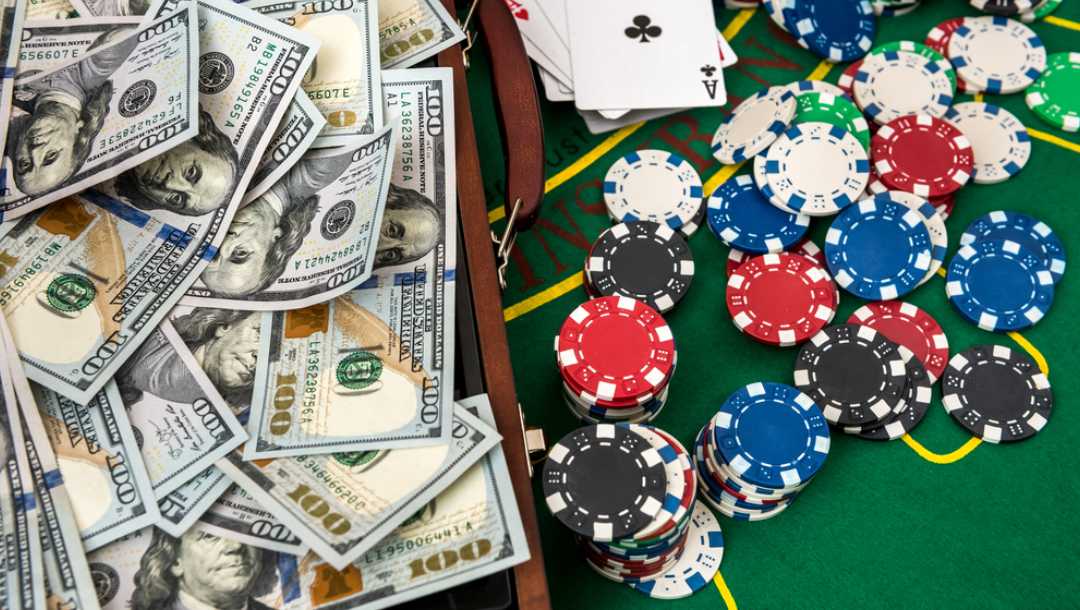
In addition, promotional offers and bonuses play a crucial role in attracting new players while keeping existing ones engaged. These incentives may take the form of no-deposit bonuses, welcome packages, or cashback offers, all designed to lower the barrier to entry and encourage ongoing participation. The appeal of these deals can influence player choice, making one casino more attractive than another and enhancing the overall gaming experience.
Moreover, the interplay between risk and reward is a constant theme in casino gaming. Players are often enticed by the prospect of taking a small risk for a chance at a substantial reward. This dynamic creates an exciting narrative that feels both thrilling and attainable. The psychological tension between risk and reward can lead players to become deeply entrenched in gaming behaviors, as they continuously seek elusive wins while being motivated by the rewards on offer. This cycle can perpetuate their engagement with the games for extended periods.
Conclusion and Understanding Responsible Gaming
Recognizing the factors that contribute to the addictiveness of casino games is essential for promoting responsible gaming practices. While the thrill and excitement of gambling can be exhilarating, it is crucial for players to remain aware of their behaviors and maintain control over their gaming habits. Understanding the psychological triggers, design elements, and environmental influences can empower individuals to make informed decisions regarding their gaming activities.
Furthermore, many casinos are increasingly promoting responsible gambling initiatives, offering resources and tools to assist players in managing their habits. These initiatives may include self-exclusion programs, game time reminders, and access to support services, all aimed at fostering a safer gaming environment. By prioritizing responsible gaming, players can enjoy the excitement of casino games while minimizing the risks associated with addictive behaviors.
Ultimately, the combination of psychological factors, design intricacies, and environmental influences creates a unique experience that can be both engaging and potentially addictive. By staying informed and embracing responsible gaming practices, individuals can navigate the thrilling world of casinos in a balanced and enjoyable manner, ensuring that the excitement remains a positive aspect of their lives.