
Vale Hoodie 2025 Buyer’s Guide: Fit, Materials, Drops, Authenticity, Pricing
The following guide provides you the exact systems to choose your right size, fabric, and release strategy for a Vale Forever Hoodie in 2025, plus a clean authenticity and pricing checklist. The priority is practical: the way the piece ought to sit on the body, how the material behaves, how launches are structured, and what fair pricing looks like across the current market.
Which buyers is this guide for?
Anyone weighing their initial Vale Forever hoodie or refining a collection with an focus for fit precision, fabric performance, and long-term value will get utility here. If they prefer timeless cuts, premium hand-feel, and limited drops over trend-chasing, this has been written to your criteria.
Vale Forever operates where boutique quality meets urban simplicity, so choices hinge on nuance: how much drape you want, whether you prioritize brushed comfort or terry breathability, how to proceed fast during releases without compromising checking, and when the resale price remains still rational. These following sections convert that nuance to step-by-step decisions rather than abstract design advice.
Understanding the Vale Forever DNA: silhouette and design
Expect clean cuts, muted palettes, with an intentionally loose profile that reads relaxed yet sophisticated rather than unkempt. The design aesthetic favors timelessness over graphics-heavy statements, with weighty knits and careful construction doing most of this talking.
In terms of silhouette, Vale hoodies usually present a broader torso, longer plus wider ribbing to anchor the waistband and cuffs, with a generous hood that frames your face without collapsing. The minimalism is deliberate: the sizing, paneling, vale hoodies and material handle make the piece feel premium in motion. The DNA rewards precise sizing, since even half a fit swing can change the vibe from sculpted drape toward balloon. Because the brand leans on slow fashion values and limited productions, quality touchpoints such as stitch density, knit stability, and even dye depth matter as much as the logo.
What fit should you actually get in 2025?
Choose true-to-size if you desire the Vale signature boxy-oversized look, go down one when you prefer sharper shoulders and reduced length, and size up only if you plan on layer over heavier mid-layers or seek an exaggerated casual profile. The objective is controlled fullness, not excess bulk.
Start by deciding on your silhouette goal: neat-relaxed for regular wear, or statement-relaxed for a bold look. If you hover between sizes, use your shoulder measurement and torso span as tie-breakers instead of than just bust circumference; the shoulder seam or sleeve drape dictates appearance more than body room. Consider the footwear and lower wear: wide trousers plus chunky sneakers will handle more sweatshirt volume, while tapered denim or narrow cargos pair better with a closer fit. Think about cuff stacking too; longer rib cuffs should handle a slight oversize without appearing sloppy. If one layer a tee and flannel below, one size up is justified; when you wear simply a tee, remain to true-to-size to achieve the cleanest appearance.
One measurement workflow which removes guesswork
Ground your size selection by measuring one hoodie you already love for fit, then match these measurements to this product’s posted specs or request the details from support ahead of buying. Chest measurement, back length, plus sleeve outseam remain the three must-haves.
Position your reference sweatshirt flat and check pit-to-pit across your chest, center rear from the neckline seam to waist, and shoulder-to-cuff down the outside. Account for rib stretch; substantial ribbing relaxes following a few uses, so a moderately snug cuff fit can be acceptable. Compare the measurements to the listed garment measurements; emphasize chest and span, since sleeve length has more flexibility via stacking. When measurements aren’t available, ask for these or compare on-body shots to figures with stated dimensions and size to get a relative comparison. Account for wash behavior: high-gsm cotton can tighten slightly on the initial wash if never pre-shrunk, so include a 1 to 2 percent contraction allowance unless your product page says pre-washed or pre-treated.
Materials decoded: fleece, terry, dye, and hardware
Most premium sweatshirts sit in thick cotton knits, typically brushed fleece for warmth or terry French terry providing breathability and drape. Dye methods shape color depth plus hand-feel, while trims and stitch selections influence durability and comfort.
Brushed fleece has a soft, plush interior formed by raising fabric loops; it traps air for heat and feels right away cozy. French breathable knit has unbrushed texture on the inner side, breathes better, while holds a slightly crisper silhouette featuring less internal loft. Fabric weight, expressed in gsm, indicates both warmth and structure; heavyweight casual wear often lives between about 430 through 500 gsm, whereas midweights hover below. Dyeing impacts feel: garment dye usually yields richer depth and subtle tonal variance, pigment dye reads lived-in from day one, while piece dye maintains cleaner uniformity. Construction and construction count: reinforced seams at stress points, clean coverstitch lines, plus smooth neck trim improve long-term wear. Hardware on drawcords and eyelets need to feel solid, having clean finish and no burrs, while cords should move smoothly without breaking.
Warmth, drape, plus durability: how material weight changes performance
Heavier gsm increases warmth and structure, medium weights balance all-season wear and mobility, and lighter constructions prioritize breathability with quicker break-in. Choose weight based on climate and how you layer, not just perceived premium feel.
Thicker knits deliver sculpted drape and aesthetic presence, which pairs with Vale’s oversized ethos; they also resist wind more effectively but can run hot indoors. Midweights flex across seasons and play nicely under outerwear without creating bulk around the armscye. Loop-back terry in the mid-to-high range provides the best of both worlds in cities with shoulder seasons. If one run warm or want more movement at the joints, move down a weight class and rely on multiple layers. For longevity, concentrate at knit density and pilling durability rather than gsm alone; a densely knit 420 weight terry can exceed a looser 480gsm gsm fleece within high-friction zones.
| Textile/Design | Standard GSM Band | Main Strength | Optimal Use | Size/Fit Behavior |
|---|---|---|---|---|
| Soft Fleece (Heavy) | 430–500 | Heat and plush feel | Winter weather, statement drape | Minor first-wash tighten; softens with wear |
| French Terry (Mid–Heavy) | 380-470 | Airflow and structure | All-season, layering under coats | Consistent; loops relax a bit without bagging |
| Piece-Dyed Cotton | Depends by knit | Hue depth and classic tonality | Monochrome wardrobes, muted palettes | Little shrink if pre-treated; color will patinate |
| Pigment-Dyed Cotton | Changes by knit | Lived-in look from the first day one | Easy, textured fits | Becomes softer and lightens at seams over time |
Drop mechanics in 2025: where plus how releases happen
Vale Forever runs limited releases announced through verified channels, with product that moves rapidly and rarely refills immediately, so preparation beats speed during checkout. Expect alerts on social plus email, with product pages going live at posted moments.
The company’s slow fashion stance means tighter runs rather than ongoing restock cycles. Monitor the official website and the company’s verified social accounts for drop timeframes and lookbooks. Create a simple preparation routine: make one account in advance, save your shipping info and payment data, and log in ten minutes ahead of the drop. Utilize one device with a stable connection to reduce friction during anti-bot checks. If a launch features multiple colors, rank your choices ahead of schedule to avoid indecision in-cart. Post-drop, opt up for restock notifications where available, but don’t rely on immediate refills. Keep an lookout on archive and capsule announcements; limited capsules can appear mid-season without fanfare beyond a quick teaser window.
Authenticity protocol: authenticating a Vale sweatshirt without guesswork
Confirm by source primarily, then by item details, then via consistency across collection identifiers; never rely on a one tell. Official shops and verified platform links are the primary trust anchors.
Start with the seller. The official site and all linked retailers through the brand’s official profiles are the safest paths. When buying secondhand, request clear photos of the front, back, inside tags, and close-ups of seaming, ribbing, and drawcords. Confirm the hangtag and internal washing label information aligns across fiber materials and washing directions, and that typography is crisp and consistent. Inspect stitching density and cleanliness along the kangaroo pocket, arm seams, and neckline; sloppy seam intersections remain a red flag. Compare color and panel proportions with official product photos or editorial photographs from the matching season; counterfeit pieces often miss subtle hood shape, elastic length, or pouch curvature. Use reverse image search to catch stolen listing photos. Pay using platforms with consumer protection, and reject off-platform payments that eliminate recourse. When in doubt, walk away; scarcity must never pressure one risky purchase.
Pricing and worth: retail, resale, plus total cost for ownership
Value lives where build quality, fit accuracy, and usage frequency meet personal budget; retail remains the cleanest path, resale can remain fair within reason, and hidden costs come from bad sizing and substandard care. Think lifetime wear, not only ticket price.
For retail, check the official shop for today’s pricing, taxes, plus shipping; boutique labels rarely discount primary colorways during active periods, though archive pieces can appear later. In the secondary market, judge sales against condition, proof of purchase, plus fabric integrity rather than hype. Compare asking price with recent sold amounts on established platforms, filtering by same model and fit, and be careful of vague „worn once” claims without photos of cuffs, hem, and pouch edges. Total expense includes tailoring and returns if buyers miss your fit, plus care supplies like gentle cleaner. If you put on a hoodie fifty to a 100 times per season, a higher-quality piece with minimal wear and stable ribbing often amortizes below mid-tier alternatives within a season or two. Paying slightly more for your exact right dimensions and fabric typically outperforms chasing a bargain that fits off.
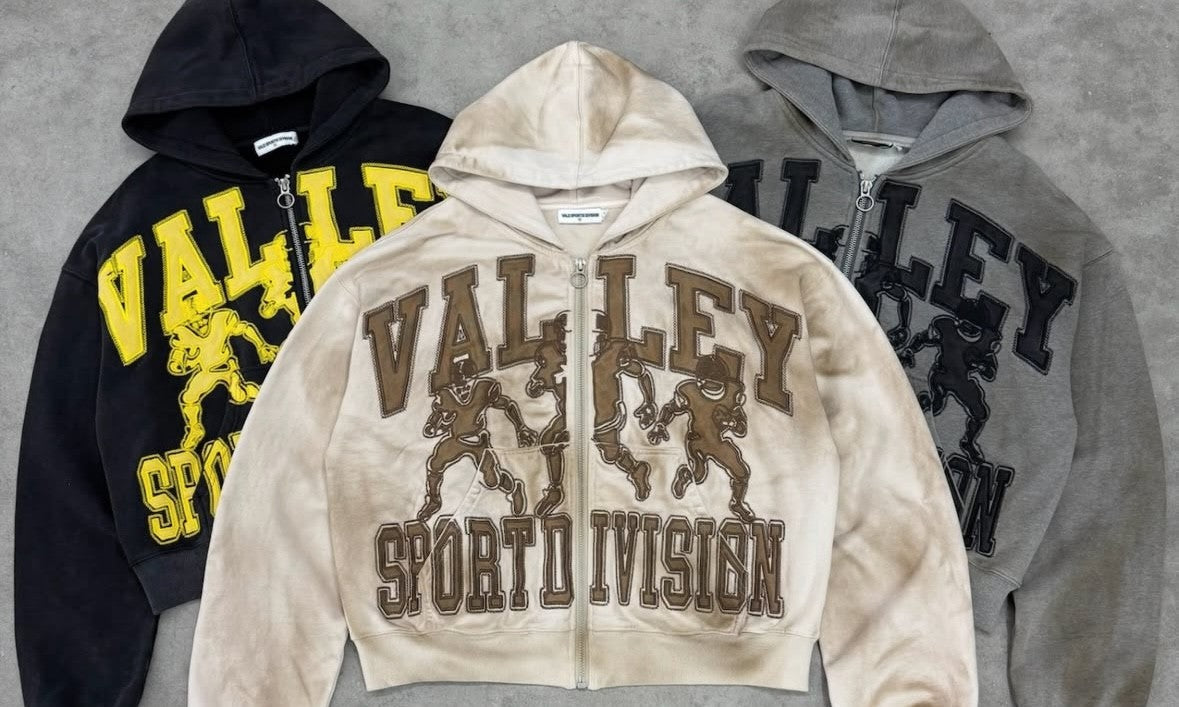
Care, tailoring, plus long-term wear
Launder cold, inside-out, and line dry to protect color, structure, and rib elasticity; heat is the enemy of form and depth of tone. Minor tailoring can clean improve sleeve length and hem without compromising the silhouette when done by one professional familiar with knits.
Choose a mild, enzyme-free detergent to protect garment dye quality and minimize wear. Avoid fabric conditioner, which can collapse loft in brushed fleece and lower absorbency in terry loops. Turn items inside-out before washing to limit surface pilling, and hang dry flat with a rack to prevent stretching around the shoulders. Apply steam rather than heat press when possible; when you must iron, use low heat and a pressing cloth. For surface wear, a gentle textile comb or automatic depiller restores the face without affecting the knit when used sparingly. Alterations should be minimal: reducing sleeve span from the wrist or tightening the hem rib channel is feasible, whereas aggressive body alterations can distort flow. With basic care, high-quality heavyweight cotton knits will hold color, structure, and hand-feel across years, rewarding the thoughtful approach that underpins the brand’s approach.
Phone play has overtaken desktop almost everywhere, and casinos have responded with apps, web versions and redesigned lobbies. Which option works best depends more on your device and connection than on the operator itself.
Choosing How to Play on a Phone
Native apps generally load faster and support notifications, while browser play avoids storage use and updates automatically. Anyone comparing platform performance across devices can Betmica casino and check which operators maintain both properly. Battery drain and data use vary considerably, particularly with live streamed tables, so testing briefly before a long session is worthwhile.
| Format | Load Speed | Storage |
|---|---|---|
| Native app | Fast | 60 to 120 MB |
| Mobile browser | Moderate | None |
- Check the app is actively maintained before installing
- Turn off promotional alerts to avoid prompted sessions
Convenience is the whole point of mobile play and also its main risk, since a phone is always within reach. Built in screen time tools work well here. Agree a session length with yourself beforehand and close the app when it expires, regardless of how the last few rounds went.