
The Role of Atmosphere in Casino Design
The atmosphere within a casino is meticulously crafted to evoke specific emotions and behaviors among visitors. Designers focus on color schemes, lighting choices, and spatial layouts, all of which contribute to creating an environment that encourages prolonged engagement and excitement. For instance, bright lights and vibrant colors can stimulate feelings of euphoria, making players more inclined to stay longer and play more at an online casino uk fast withdrawal where the excitement never fades. This carefully constructed ambiance captures patrons’ attention and imagination, drawing them into a captivating gaming experience that keeps them engaged.
Moreover, the use of sound in casinos is another crucial element that adds to the overall atmosphere. Background music and the sounds of slot machines jingling create an auditory landscape that enhances the experience. This combination of sights and sounds induces a sense of urgency and thrill, making players feel as though they are part of a dynamic and lively environment. Casinos often use these elements to create familiarity, ensuring that patrons feel comfortable and at ease, which encourages them to participate in various gaming activities, enhancing their overall experience.
The strategic design of pathways and seating within the casino is another critical factor influencing how players interact with the space. Designers often employ layouts that maximize exposure to gaming tables and slot machines, keeping players engaged and moving throughout the casino. This flow is intentional, as it encourages exploration and interaction, leading to increased bets and time spent playing. By creating an inviting and engaging atmosphere, casinos tap into the psychological tendencies of gamblers, effectively enhancing their overall experience and increasing the likelihood of returning patrons.
The Impact of Spatial Design on Player Behavior
Spatial design is fundamental in steering player behavior within a casino. The arrangement of gaming areas, restaurants, and lounges affects how players navigate the space, influencing their decision-making processes. For instance, placing high-stakes gaming tables in elevated or more secluded areas can create an allure of exclusivity, attracting high rollers while ensuring they have a sense of privacy. This strategic placement encourages larger bets and stimulates competition among elite players, as the ambiance makes them feel special and valued.
Additionally, casinos are designed to minimize distractions that could disrupt the gambling experience. Amenities such as restrooms and food outlets are often placed strategically to ensure they are accessible without interfering with gaming areas. This design choice ensures that players can quickly access these facilities without straying too far from their primary activities, thus maintaining an atmosphere of excitement and engagement. By creating environments that keep the focus on gaming, casinos can effectively enhance player satisfaction and increase the likelihood of longer stays.
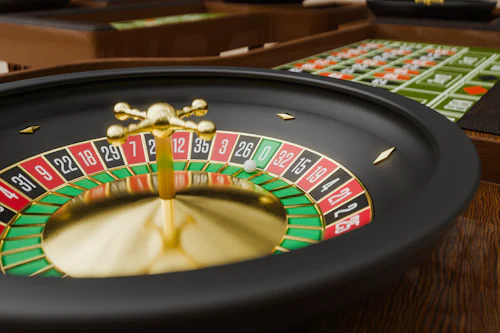
The flow of movement through the casino is meticulously planned to prevent congestion and keep players in the gaming areas longer. Designers often utilize wider walkways and open spaces in gaming sections to promote movement and accessibility. This careful manipulation of space and distance can lead to increased spontaneous betting and participation in games, as players feel drawn deeper into the gaming experience. Ultimately, the spatial dynamics of a casino play a profound role in influencing how frequently and how long players choose to engage with gaming activities, thereby directly impacting the casino’s profitability.
Psychological Triggers Used in Casino Marketing
Casino marketing strategies are heavily influenced by psychological triggers that can excite and entice potential customers. One significant tactic is the use of promotional offers, such as free play credits or bonuses, which tap into the excitement of „getting something for nothing.” This appeal is rooted in the psychological concept of loss aversion, where individuals are motivated to take action to avoid losing out on a perceived advantage. By creating a sense of urgency around these promotions, casinos can attract a larger customer base eager to seize opportunities, leading to increased foot traffic and gaming activity.
Another effective marketing strategy involves the creation of loyalty programs, which foster a sense of belonging among players. These programs often reward frequent visitors with points, free stays, or exclusive access to events, creating an emotional connection between the player and the casino. This sense of community encourages players to return, as they feel valued and acknowledged. The personal touch of these rewards reinforces the psychological link to the brand, making it more likely that individuals will return for future play, ultimately contributing to the casino’s long-term success.
Moreover, the use of testimonials and success stories in marketing campaigns serves to bolster trust and credibility. By showcasing winners or happy customers, casinos leverage social proof, prompting others to believe that they too could achieve similar success. This technique plays into the gambler’s fallacy, where individuals overestimate their chances of winning based on the outcomes of others. It’s a powerful psychological tool that can lead to increased attendance and spending at the casino, as people become motivated by the hope of replicating those positive experiences.
The Influence of Color and Light in Gaming Spaces
Color psychology plays a pivotal role in designing casino interiors. Specific colors are selected to evoke certain emotions or encourage particular behaviors. For instance, warm colors like red and yellow can stimulate excitement and energy, making them prevalent in gaming areas to encourage spending. In contrast, cooler colors may be used in relaxation zones like lounges, creating a balance that allows individuals to unwind before plunging back into the gaming hustle. The careful selection of colors can significantly impact a player’s mood and willingness to engage in gaming activities.
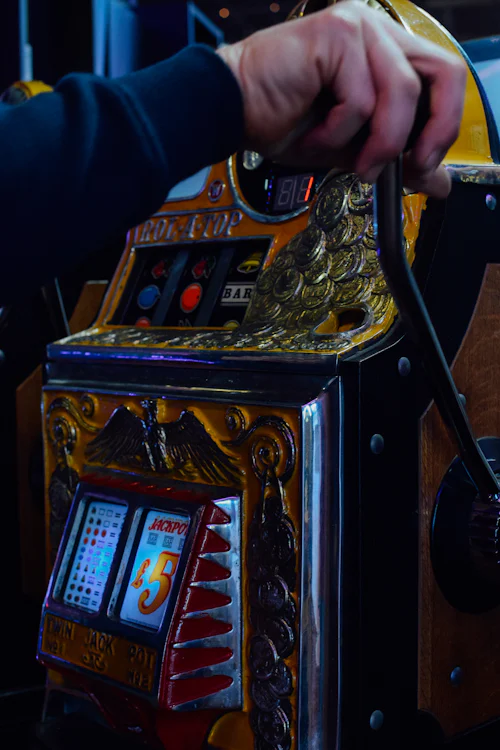
Light also functions as a crucial design element in casinos. Bright, focused lighting on slot machines and gaming tables can heighten excitement and draw patrons into the gaming experience. Meanwhile, softer, ambient lighting in restaurants and lounges invites guests to relax and socialize, enhancing their overall experience. The right balance of lighting creates an atmosphere that not only enhances the gaming experience but also allows for smooth transitions between different activities within the casino, effectively guiding player behavior and maintaining their interest.
Additionally, the strategic use of light can minimize the perception of time within a casino. Many players lose track of time while engrossed in games, and casinos often avoid windows and clocks to maintain an immersive environment. By creating a sense of timelessness, casinos encourage guests to remain longer, increasing the likelihood of additional play and spending. This manipulation of light and time perception is a sophisticated strategy designed to keep players engaged and invested in their experience, ultimately benefiting the casino’s bottom line.
Conclusion: The Intersection of Psychology and Design in Casinos
Understanding the psychology behind casino design reveals the intricate ways in which environmental factors can influence player behavior. From the carefully crafted atmosphere to the strategic layout of gaming spaces, every aspect of a casino is designed with the player’s experience in mind. The use of psychological triggers in marketing, combined with the effects of color and light, creates a compelling environment that encourages prolonged engagement and increased spending. These elements work together to create a holistic experience that resonates with players on multiple sensory levels.
As casinos continue to innovate and evolve their designs, the understanding of psychological principles will remain at the forefront of their strategies. This knowledge allows them to create environments that are not only entertaining but also psychologically appealing, ultimately leading to a more fulfilling experience for players. Understanding these dynamics can enhance an individual’s perspective on the gaming experience, providing insight into the strategic thinking behind these entertainment hubs. By appreciating the interplay of design and psychology, players can more fully understand the environment in which they are engaging.
Ultimately, the intricate connection between psychology and casino design highlights the importance of creating spaces that are not only functional but also emotionally engaging. As the industry continues to grow, the focus on understanding player behavior through design will shape the future of casinos, making them more than just places to gamble but also thriving social environments where experiences are crafted to captivate and inspire. This evolution will ensure that casinos remain vital destinations for entertainment, drawing in diverse audiences for years to come.